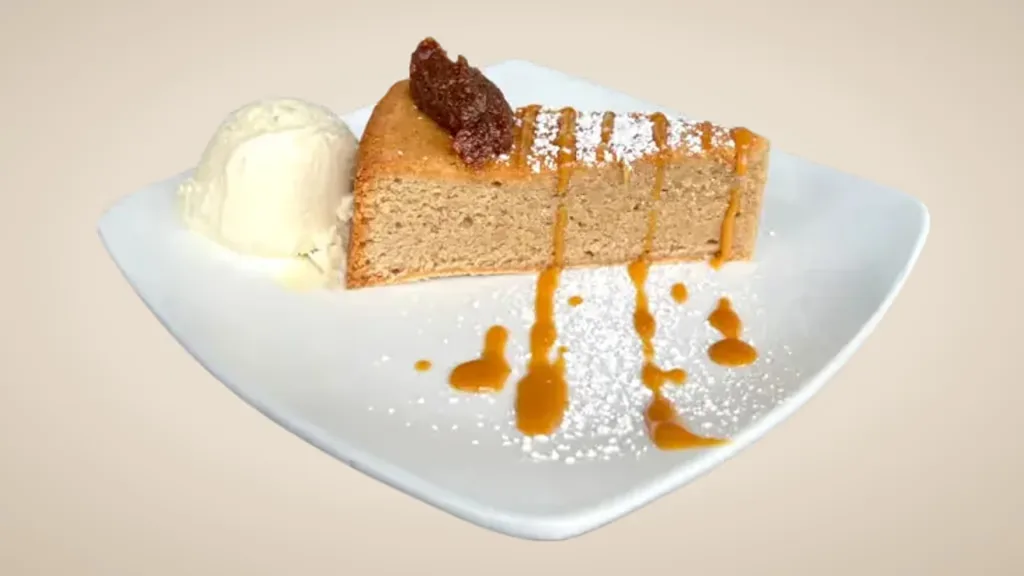
After a table full of tapas, dessert might not seem necessary, but then someone suggests ordering one to share, another person asks for coffee, and suddenly the evening isn’t quite over yet.
That’s where Tarta de Santiago comes in. It’s one of Spain’s most traditional desserts, simple in appearance but deeply rooted in the country’s culinary history.
There are no elaborate decorations or complicated techniques behind it. Just ground almonds, eggs, and sugar transformed into a cake that has been enjoyed for centuries. Sometimes, the simplest recipes are the ones people keep coming back to. Let’s see why.
A Dessert with More Than 400 Years of History
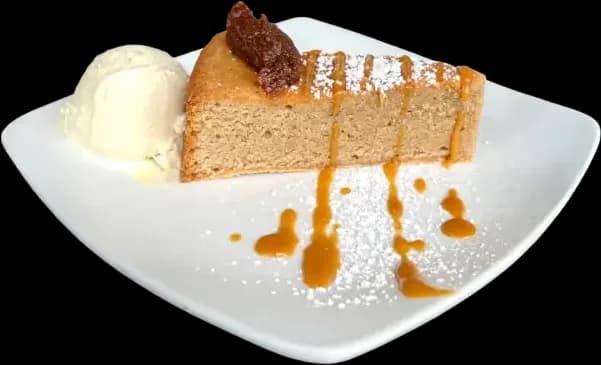
Tarta de Santiago traces its roots back to Galicia, in northwestern Spain, where almonds have long been part of the region’s baking tradition. The earliest known references to the cake date to the 16th century, although historians believe similar almond desserts were prepared even earlier.
The version people recognize today became firmly established during the 19th century, when bakers began decorating the cake with the Cross of Saint James dusted in powdered sugar. The symbol honors Saint James the Apostle, whose shrine in the city of Santiago de Compostela has attracted pilgrims from across Europe for more than 1,000 years along the famous Camino de Santiago.
Unlike many traditional desserts that evolved into countless variations, Tarta de Santiago has remained consistent. Ground almonds, eggs, and sugar still form the heart of the recipe, creating a naturally dense, moist cake that reflects the simplicity of Spanish baking traditions.
Why Tarta de Santiago Works After Tapas
A tapas dinner usually moves through a wide range of flavors. Seafood, vegetables, cheeses, meats, and sauces all make their way across the table, so dessert benefits from bringing everything back to something simple.
Tarta de Santiago does exactly that.
The almond-based cake feels rich enough to satisfy your sweet tooth but doesn’t overwhelm the palate after a larger meal. It’s also easy to share, making it a great ending to a dinner built around passing plates from the very beginning.
Other Desserts Worth Trying
Although Tarta de Santiago is one of Spain’s signature desserts, it isn’t the only way to end the evening at Eclipse di Luna.
The dessert menu also includes:
- Tres Leches, a soft sponge cake soaked in three kinds of milk for a creamy finish.
- Spanish Flan, a smooth custard topped with caramel that’s been a favorite across Spain and Latin America for generations.
- Chocolate Mousse Cake, a richer option for anyone craving something more indulgent.
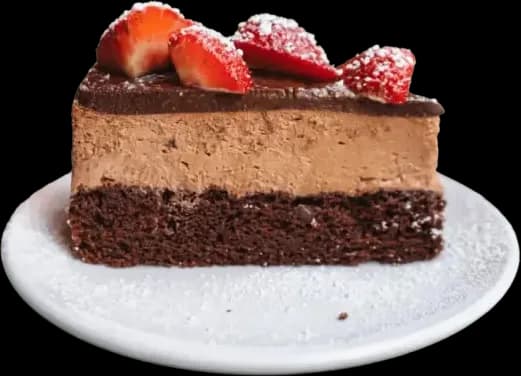
Each dessert offers a different finish, whether you’re looking for something light and creamy or a more chocolate-forward bite.
Pair It with Coffee—or Something Stronger
Dessert rarely arrives alone in Spain. Coffee often follows right behind it, giving people another excuse to stay at the table a little longer.
Tarta de Santiago pairs well with an espresso or a double espresso, as the bold flavor balances the sweetness of the almonds. If you’re looking for something smoother, a cappuccino complements the cake without overpowering it, while a coffee Americano offers a lighter alternative for lingering over conversation.
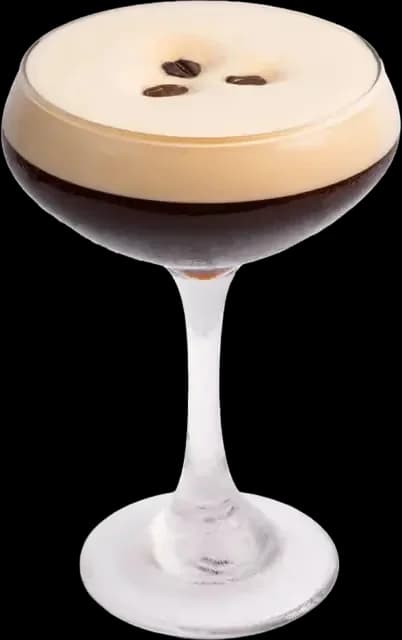
If the evening calls for something a little more celebratory, dessert cocktails fit right into the last course. A Carajillo, made with Licor 43 and espresso, highlights the roasted notes of the coffee while adding a touch of sweetness. The Espresso Martini, with espresso liqueur, Frangelico, Baileys, Tito’s, and Kahlua, leans richer and works particularly well alongside the Chocolate Mousse Cake.
Tarta de Santiago: A Tradition Worth Discovering
As you’ve seen, tarta de Santiago doesn’t rely on elaborate presentations or dozens of ingredients. Instead, it reflects the same philosophy behind many Spanish classics: simple recipes, quality ingredients, and flavors that have stood the test of time.
Available at all Eclipse di Luna locations, it’s the kind of dessert that turns “Maybe we’ll skip dessert” into “Let’s order one for the table.”