Attention, dessert lovers! If you have a sweet tooth and would like to update your ‘favorite desserts’ list, we have the best possible option: Spanish flan. Its creamy custard topped with a silky caramel sauce will capture your heart like no other.
But that’s not the only good news we have. At Eclipse di Luna, a tapas bar and restaurant with three locations in Atlanta, you’ll find this classic dessert that embodies the warmth and hospitality of Spanish and Latin American cultures.
In this guide, we’ll present all things related to the Spanish flan, from its peculiar history to the greatest recipe. And, to top it off, we’ll explore the many reasons why you should definitely try this dessert after enjoying a delicious meal at Eclipse di Luna.
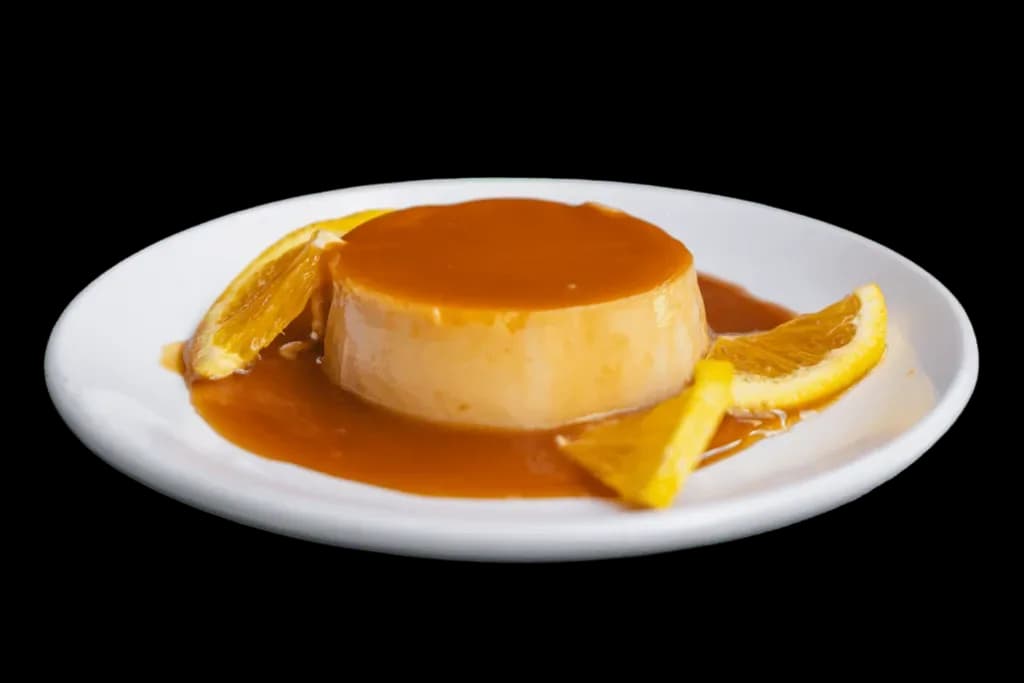
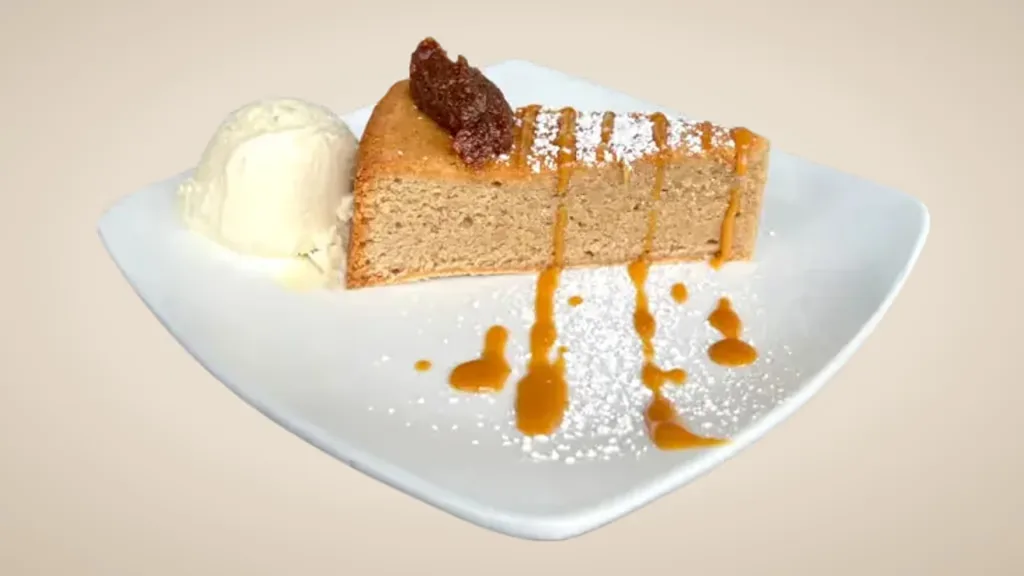
Spanish flan served at Eclipse di Luna
History of Spanish Flan
Just like many other desserts, Spanish flan has roots in Ancient Rome, where a dish called ‘tyropatinam’ was made from milk, honey, and eggs.
As Romans were the first to domesticate chickens, they had a great amount of eggs available and began creating egg-based recipes. However, the early versions of this dessert were quite different from now.
Due to the rapid expansion of the Roman Empire in the European regions, this egg-based dessert was adapted to the local taste and ingredients available across Europe.
During the Middle Ages, a dish known as ‘fado’ gained popularity in Spain. Moreover, this was the first time the dessert was topped with a sweet caramel sauce. In this context, the Moors incorporated other flavors, such as citrus and almonds, to enhance the dessert’s complexity.
In the early 16th Century, Spaniards brought the flan recipe to the New World, particularly to the south of Mexico. Following this cultural encounter, native Mexicans were introduced to this ancient dessert and embraced it as their own.
Consequently, Mexican cooks transformed flan and took it to a whole new level. Maintaining its essence, they created coffee, chocolate, and coconut-flavored flans, which became popular not only in Mexico but also in other Latin American countries.
Cultural Significance
In terms of cultural significance, Spanish flan takes the prize. Why? Well, as mentioned earlier, this dessert is deeply rooted in the culinary traditions of Spanish and Latin American cultures.
It is frequently eaten on special occasions, such as family gatherings, religious celebrations, and birthdays. Moreover, families often make their own variations of the dessert, which adds a personal touch and a sense of heritage.
There’s no denying that Spanish flan has transcended its Spanish origins, becoming a cherished dessert in different cultures worldwide. As each region has adapted flan using its local tastes and flavors, there’s a wide variety of flans available for those who dare to try them.
Best of all, Spanish flan is prized for its simplicity and affordability in terms of ingredients. To prepare a classic flan, the only ingredients required are eggs, milk, sugar, and vanilla, which are typically affordable and easy to get.
The Art of Making Flan
Next, we’ll focus on the art of making flan, which basically means we’ll give you a simple recipe to try this dessert at home. Although it seems simple, it is key to follow the steps closely to achieve the desired texture and taste.
Ingredients:
- 1 ½ cups granulated sugar for caramel
- 4 large eggs
- 2 cups whole milk
- 2 teaspoons vanilla extract
Instructions:
- Prepare the caramel. In a saucepan, add 1 cup of granulated sugar over medium-low heat. Stir frequently until the sugar melts and turns into a golden brown syrup. Be careful not to burn it. Once ready, quickly pour the caramel into the bottom of your ramekins or flan mold, swirling to coat the bottom evenly. Set aside to cool and harden.
- Make the custard. In a large mixing bowl, crack the 4 eggs and add the remaining ½ cup of sugar. Beat the mixture until creamy and well combined. Gradually pour in the 2 cups of whole milk and add the 2 teaspoons of vanilla extract. Mix until smooth.
- Combine and bake. Pour the custard mixture into the caramel-coated ramekins. Place the ramekins in a deep baking tray and fill the tray with hot water until it reaches halfway up the sides of the ramekins (this is called a bain-marie). Cover the ramekins with aluminum foil.
- Bake. Preheat your oven to 350°F and bake for about 40-50 minutes, or until the flan is just set (a knife inserted should come out clean).
- Cool and serve. Once baked, carefully remove the ramekins from the water bath and let them cool to room temperature. Refrigerate the flan for at least 6 hours, preferably overnight. To serve, run a butter knife around the edge of each ramekin, then invert onto a serving plate. The caramel will flow over the flan. Enjoy!
Conclusion: Taste Spanish Flan at Eclipse di Luna
If you decide to try Spanish flan at Eclipse di Luna, we’re sure you won’t regret it! This dessert is served with a simple yet special presentation, including creamy flan, delicious caramel sauce, and lemon slices for garnish.
Yes, it’s the one you saw above! It looks delicious, right?
Apart from offering great service and a relaxing ambiance, we take pride in prioritizing high-quality and fresh ingredients. We also love giving our customers the chance to enjoy Latin music and dancing, elevating the culinary experience to a whole new level.
If you’re craving delicious Latin American food and an even more delicious dessert like Spanish flan, head over to our menu and explore the myriad of options we offer. We hope to see you soon!